Understanding EMSA Preventive Health and Safety Training in Dublin
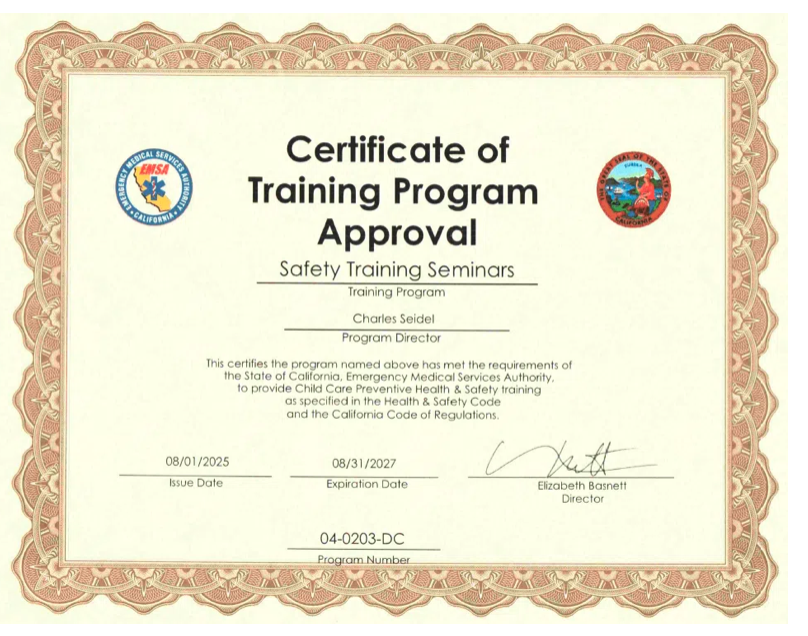
The EMSA Preventive Health and Safety Course is designed to teach childcare providers practices that support children’s health in care environments. EMSA refers to California’s Emergency Medical Services Authority, which approves training programs for childcare providers in areas including preventive health and pediatric emergency training.
Preventive health education addresses everyday responsibilities, not just emergency situations. Providers need to understand how infections spread, how to maintain sanitary spaces, how nutrition affects children’s well-being, and how to reduce exposure to environmental hazards.
For childcare professionals in Dublin, this knowledge can be applied in preschools, daycare programs, home-based childcare settings, and other environments serving young children. The training also helps learners understand why consistent health practices matter when caring for several children with different developmental needs.
The course should be distinguished from Pediatric CPR and First Aid training. California childcare requirements may involve both preventive health education and separate pediatric emergency training, depending on the person’s role and applicable licensing rules.
California Childcare Licensing: What Providers Should Know
California regulates licensed childcare through the California Department of Social Services (CDSS), including its Community Care Licensing Division. State Health and Safety Code Section 1596.866 addresses health and safety training for specified childcare personnel and licensees.
Under the statute, the applicable training framework includes pediatric first aid, pediatric CPR, and preventive health practices. It also addresses childhood nutrition training for specified roles and lead exposure prevention requirements. Pediatric first aid and CPR training must remain current, while the preventive health practices requirement described in the statute is generally a one-time requirement for the covered individuals. Additional details depend on the applicable provisions and licensing circumstances.
These rules are relevant to people establishing or working in licensed Child Care Centers and Family Child Care Homes in Dublin. However, requirements are not identical for every employee or applicant. Responsibilities may vary according to job duties, facility type, license status, and current regulations.
Before enrolling in an EMSA childcare health and safety course, consult the applicable Community Care Licensing office or your licensing representative to confirm which training components you need and whether a particular course satisfies those requirements.
What Does the Preventive Health and Safety Course Cover?
Preventive health education helps childcare professionals recognize risks and establish routines that protect children throughout the day. The California Childcare Health Program at UCSF maintains training curriculum resources for EMSA-approved preventive health programs, including content on lead poisoning prevention and nutrition.
Depending on the approved course curriculum, relevant subject areas include the following:
- Infectious disease prevention: Understanding how illnesses spread and using appropriate hygiene practices to reduce transmission.
- Environmental sanitation: Maintaining clean food preparation areas, bathrooms, and diaper-changing spaces.
- Children’s nutrition: Understanding age-appropriate meals, dietary needs, and healthy eating practices.
- Air quality: Recognizing environmental concerns such as secondhand smoke, poor ventilation, and improperly maintained air filters.
- Lead poisoning prevention: Learning how children can be exposed to lead and how preventive measures help reduce that risk.
The exact subjects and instructional requirements depend on the approved curriculum. For current curriculum information, consult the California Childcare Health Program’s Preventive Health Training resources.
For childcare workers in Dublin, these topics have practical applications in classrooms, kitchens, sleeping areas, playgrounds, and home-based childcare environments.
Lead Poisoning Prevention for Dublin Childcare Providers
Lead exposure is an important public health concern because young children are especially vulnerable to its effects on development. Exposure can occur through contaminated dust, deteriorating lead-based paint in older buildings, contaminated soil, or other sources. Children may ingest lead-containing dust or soil when they put their hands or objects in their mouths.
Childcare providers can help reduce risks by maintaining clean environments, following appropriate cleaning procedures, preventing children from accessing potentially hazardous materials, and reporting suspected environmental hazards through the proper channels.
In Dublin, providers working in homes, preschool buildings, or other childcare facilities should consider the condition of their specific premises rather than assuming every building has the same risk. Older properties and areas with potential environmental hazards may warrant particular attention.
California’s childcare health and safety framework includes lead exposure prevention for applicable license situations. Learning about lead hazards helps providers understand the importance of prevention, environmental awareness, and appropriate communication with families.
The training is educational and does not replace professional environmental assessments, medical advice, or recommended testing. If lead exposure is suspected, childcare providers should follow applicable public health guidance and refer families to qualified healthcare professionals.
Nutrition and Children’s Health in Childcare Settings
Food and nutrition are part of a childcare provider’s daily responsibilities. Children need meals and snacks appropriate to their developmental stages, and providers must account for individual dietary needs while maintaining safe food-handling practices.
Preventive Health and Safety education helps childcare professionals understand why meal planning, food hygiene, and awareness of medical dietary restrictions matter.
Food allergies and specialized diets: Providers may care for children who need to avoid particular ingredients or follow a medically indicated diet. Staff should understand documented dietary instructions, prevent avoidable cross-contact, and follow the childcare program’s procedures for responding to allergic reactions.
Diabetes and feeding concerns: Some children require specific meal routines or individualized care instructions. Providers should follow the family’s and healthcare professional’s documented guidance rather than independently changing a child’s medical or nutritional plan.
Growth and development: Eating habits, appetite, and food intake can provide useful information about a child’s well-being. Providers should communicate concerns appropriately with families instead of attempting to diagnose growth problems.
Dental health: Frequent consumption of sugary foods and drinks can contribute to tooth decay. Offering suitable meals and snacks and following good oral-health practices can support children’s overall health.
For childcare professionals in Dublin, nutrition knowledge is useful in both center-based programs and Family Child Care Homes, where providers may prepare meals, supervise snacks, and accommodate several children’s needs at once.
Sanitation and Healthy Childcare Environments
Cleanliness is more than the appearance of a childcare facility. Appropriate sanitation routines help reduce opportunities for infectious diseases to spread between children and adults.
Preventive health practices include maintaining clean kitchens, handling food safely, cleaning and sanitizing surfaces appropriately, and following established diapering and toilet hygiene procedures. Providers should use products according to their labels and keep cleaning chemicals and other hazardous materials away from children.
Air quality also deserves attention. Fresh air, properly maintained filters, and measures to limit exposure to secondhand smoke can contribute to a healthier indoor environment.
In a busy Dublin childcare program, consistent routines are particularly useful during meal preparation, bathroom visits, diaper changes, and shared play activities. Written procedures and staff communication can help ensure that sanitation practices are followed throughout the day.
These measures complement, rather than replace, the facility’s applicable licensing requirements and public health guidance.
Who May Benefit From EMSA Childcare Training in Dublin?
The course may be relevant to a range of people involved in caring for young children, including:
- Individuals preparing to establish or operate a Family Child Care Home.
- Directors and teachers at licensed Child Care Centers.
- Childcare professionals seeking to understand preventive health responsibilities.
- People entering early childhood education who want to learn about California childcare health practices.
- Existing providers checking which training components apply to their licensing situation.
California’s specific requirements depend on the person’s role and circumstances. Not every childcare employee has the same training obligations, and completing a preventive health course does not automatically satisfy separate Pediatric CPR or First Aid requirements.
If you are applying for a childcare license, changing roles, or preparing documentation for Community Care Licensing, verify the exact course and completion records you need before registering.
Finding Childcare Health and Safety Training Near the Tri-Valley
Dublin’s location in eastern Alameda County makes it a practical area to consider for childcare professionals from nearby communities. The city borders Pleasanton and Livermore, while San Ramon lies to the north. These surrounding communities share regional connections through the Tri-Valley area.
Childcare providers from Pleasanton, Livermore, San Ramon, and nearby Castro Valley may consider Dublin when looking for EMSA Preventive Health and Safety training. The most suitable option will depend on course availability, travel arrangements, and the training format offered.
Dublin also has an established educational environment. The city’s official education resources identify local school-based childcare programs and Las Positas College in neighboring Livermore. These institutions provide context for the region’s education and childcare landscape; their mention does not imply any partnership with or endorsement of Safety Training Seminars.
For people who live or work in the Tri-Valley, looking for a course in Dublin can provide a starting point for comparing available training options without automatically traveling to another part of the Bay Area.
Safety Training Seminars in Dublin, California
Safety Training Seminars offers a local training option for people exploring EMSA Preventive Health and Safety education in Dublin. Its location in the Tri-Valley area may be convenient for childcare professionals who live or work in Dublin and surrounding Alameda County communities.
The training center address is 7567 Amador Valley Blvd, Suite 102, Dublin, CA 94568.
When reviewing the available course options, make sure you select the EMSA Preventive Health and Safety Course if that is the training component you need. If your employer or licensing representative has requested additional training, such as Pediatric CPR or First Aid, confirm whether you must register for those courses separately.
Before visiting or registering, check the relevant course page for current enrollment details, course format, pricing, and available dates. These details should be confirmed directly rather than assumed.
What to Check Before Registering
A few practical checks can help you select the appropriate course and prepare your documentation.
- Confirm your requirement. Determine whether you need Preventive Health and Safety training, Pediatric CPR, Pediatric First Aid, or a combination of courses.
- Check course approval. Verify that the program meets the applicable EMSA and California childcare licensing requirements.
- Review the curriculum. Confirm that required topics, including childhood nutrition and lead poisoning prevention where applicable, are covered.
- Ask about completion records. Find out what documentation you will receive and whether it meets your licensing or employer’s requirements.
- Check registration details. Review current course dates, delivery format, fees, and registration instructions before making arrangements.
These steps are especially useful for first-time childcare applicants and existing providers preparing for licensing reviews.
Prepare for Your Childcare Training in Dublin
Understanding preventive health practices helps childcare professionals create environments that support children’s nutrition, hygiene, and general well-being. For providers in Dublin and the wider Tri-Valley region, the EMSA Preventive Health and Safety Course offers a way to learn about these responsibilities while exploring California’s childcare licensing framework.
Safety Training Seminars provides a local option for people researching EMSA childcare health and safety training. Review the available course information, confirm your specific licensing requirements, and select the training that matches your professional needs before enrolling.